AESTHETICS: PALETTE KNIFE PAINTING TIPS

AESTHETICS

Unravel this site as it unfolds the mysteries of creativity with each of its uploads. Anything art and aesthetics is its subject.

ads
Showing posts with label PALETTE KNIFE PAINTING TIPS. Show all posts

Monday, December 9, 2019

PALETTE KNIFE AN ESSENTIAL TOOL FOR ARTISTS

December 09, 2019 0

PALETTE KNIFE AN ESSENTIAL TOOL FOR ARTISTS

CLICK THE IMAGE TO SEE THE FULL VIDEO
PALETTE KNIFE, AN ESSENTIAL TOOL FOR ARTISTS,palette knife painting on canvas
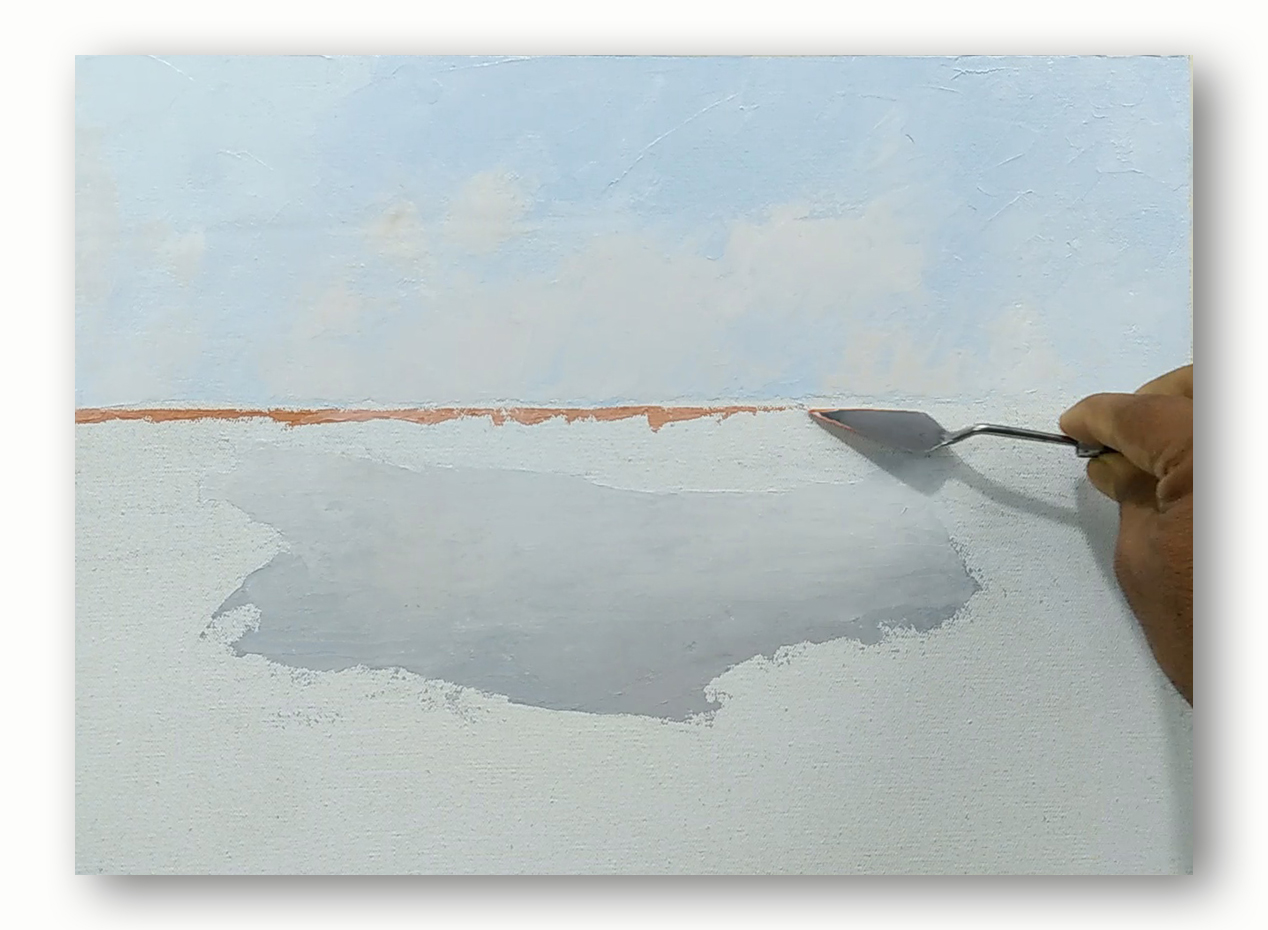
PAINT A SWAMP WITH PALETTE KNIFE

The brush has become synonymous with painting. But palette knife techniques that will enrich your paintings deserve some recognition as an equally versatile implement. It can be used as an addition to or even a replacement for brushes in the creation of strong, compelling paintings.

Made from thin steel blades fixed onto wooden handles, palette knives come in an array of shapes and sizes. While each shape has a slightly different function, there’s no need to invest in many different knives. A two to a three-inch flexible blade in a simple teardrop shape will allow you to create a wide variety of marks and effects.

palette knife an essential tool for artist, palette knife pictures
 Pictures of different palette knives

WHAT YOU CAN ACHIEVE WITH PALETTE KNIFE

Patches

palette knife use, palette knife application
How to apply patches on canvas with a palette knife
Palette knives are useful for applying clean patches of colour onto a blank canvas or over an existing dry layer of paint. The blade allows you to swipe a layer of colour onto the canvas in a motion as if a baker frosting over a cake. With a palette knife, you don’t need to dilute your paint with the medium as you would with a brush. As a result, the colour that you apply with a palette knife is more vibrant. If you apply a patch of paint too thickly, you can scrape some off using the edge of the palette knife’s blade. This method pulls off excess paint without weakening the colour statement.


 how to lines with a palette knife, use of palette knife
How to lines with a palette knife

Lines

If you load just the edge of the blade with paint and draw it across the canvas, you can make crisp, ruler-straight lines. This technique is helpful for depicting man-made elements in a painting, like a ships’ rigging, fence posts, and the straight edges of furniture or buildings. By modulating the pressure and angle of the knife stroke, you can turn these lines into fan shapes, zigzags, and sinuous curves.

Broken colour

How to create a broken color effect with a palette knife, create texture with palette knife
How to create a broken colour effect with a palette knife  
By lightly loading your palette knife with paint, then skimming it gently across the painting surface, you can create a paint layer with small, window-like openings that allow what’s underneath to show through. The size of these openings is dependent on both the pressure of the stroke and the texture of your surface. If you’re working on coarse canvas, you’ll get larger windows than on a fine-grained canvas or a smooth panel.

Texture

How to create texture with a palette knife
You can use palette knives to create both the illusion of texture and texture itself. Thinly applied strokes can replicate patterns such as wood grain or grasses, while thickly loaded strokes create marks that can be sculptural, protruding from the canvas surface. This extra dimension can be appealing, emphasizing the lushness and physicality of the paint itself.

Conversely, palette knives can be used to reduce texture. If an area has become too busy with textured brushstrokes of paint, you can lay the blade directly onto the wet paint and gently massage it flat. This will leave traces of the original colour and can be a way to mix colours directly on the canvas.

Edge

Hard-edge created with a palette knife.
Hard-edge created with a palette knife
Palette knives are excellent tools for creating a broad array of edges, from crisp and defined to blurry and ambiguous. Edges in a painting are the places where two shapes or colours meet. They’re expressive places that can reveal what the artist wants to emphasize and the pace at which they want the viewer to examine the work.

A hard edge stops the viewer’s eye and draws attention to a particular area in the painting, while a soft, ambiguous edge allows the eye to travel, unimpeded, from one shape to the next. Some edges are varied, alternating between ambiguity and clarity many times along their length and causing the viewer to change their focus and rate of looking accordingly.

For a crisp edge, load your palette knife with paint, then lay it flat onto the canvas and pause before continuing the stroke away from the edge you’re trying to create. That momentary stillness will deposit a greater volume of paint than a swift, continuous stroke, emphasizing the edge.
How to apply Fresh colour with a palette knife on wet paint, fresh colour with palette knife
Fresh colour applied with a palette knife on wet paint   
You can use a palette knife to place clean colour notes onto a wet painting without disturbing the lower layers. Load the knife with a generous dollop of paint and dab it gently onto the surface of the painting. It will sit on top without mingling with the wet paint below, making this an ideal tool for creating highlights and dark accents.

Other uses of a palette knives

Mixing paint

Palette knives are indispensable for mixing paint on your palette without wasting any pigment. Brushes collect paint in their bristles, and when you dab them into a clean pile of colour, they may deposit some of that paint and contaminate the pile. When mixing with a palette knife, simply wipe the excess paint off the blade before dipping it into a new colour. You’ll keep your paint piles clean and usable.

Scraping

A palette knife is also an excellent scraping tool for your palette and your painting. You can clean your palette at the end of a painting session by scraping the paint mixtures off with your knife and then giving the surface a final wipe with a paper towel.

If a painting isn’t working, scraping it down to the canvas with your knife will remove paint volume, while leaving a ghost of the image staining the canvas. This faint image can be used as a guide if you’re trying to tackle the painting again.

Palette knives can be used to create works of great precision or casual roughness, and they can create some effects that a brush cannot. They’re a worthwhile addition to any painter’s repertoire.

Thanks for reading.

Click the YouTube logo to see in full screen. Please Subscribe to our Channel 


Read More

Friday, November 29, 2019

12 BEST TIPS FOR PALETTE KNIFE PAINTING

November 29, 2019 0

12 BEST TIPS FOR PALETTE KNIFE PAINTING 

CLICK THE IMAGE TO SEE THE VIDEO  HOW TO PAINT A LANDSCAPE WITH PALETTE KNIFE CREATING TEXTURE
 HOW TO PAINT A LANDSCAPE WITH PALETTE KNINF CREATING TEXTURE

The palette knife is not just a tool for mixing paint on your palette. You can actually use the palette knife to create some stunning textural effects in your paintings which are not possible with a brush. Some artists ignore the brush all together in favour of the palette knives.
Here are 12 tips for starting palette knife painting

1.    Choosing a subject.

If you are looking for a subject for your next Palette Knife painting to create texture or end up scratching your head frustrated, Simply relax!
Walk out of your home with your camera in hand, on a bright sunny day. Roam about your native place, you will be taken by aback that you are actually blessed with a plethora of subjects around your surrounding itself.
What is needed is a bit of planning. Picking up subject of your choice from a sea of them requires clear objectives in mind or else you are lost.
Figure out what is in your mind, what exactly are you looking for is a daunting task. Do you have an inclination in particular? What attracts you the most.? Find the answer to these questions then chalk out an idea. If you have set templates for your subjects it would be easier for you to stop over and click shots of reference for your next palette knife painting.

2.    A Good Sketch is a foundation of your Painting.

Make it as comprehensive as suits yourself. A good drawing assists to make a good palette knife painting. But if you are confident enough about the correctness of the objects you are aiming to paint on your work you can choose painting directly on the canvas. But during the making of a palette knife painting, it always allows you with chances to fix any mistakes you made.

3.    Spreading Your Oil Paint on Your Canvas.

The direction of the palette knife when using over your canvas is also important. As this creates some sort of energy. Downward strokes make your subject look still or stopped. It's important to decide which way you want your paint to run before starting a new part of your painting. Be bold when you put the paint onto the canvas. Nervous strokes make for a bad palette knife painting. But bold strokes reflects your confidence as well. Don’t be afraid to experiment. After all, you can always correct your work, by adding a little more paint over your previous attempt. Or you can scrape the paint off and try again.

4.    Choosing a colour for you palette Knife Painting with liberty

Opting out your colours are your creative liberty. Your scheme of colours may differ from that one of other. Everyone has his creative freedom to choose his colours for his own palette. That’s the reason, one’s piece of work is different from others. That’s how one marks his own path. So choose your colour as you deem fit. 

textured canvas art,textured canvas artwork
textured acrylic painting on canvas

 5.    Light direction

To create the energy, and sunlight, some may mix Indian Yellow with Flake white, some may use cadmium or lemon yellow with titanium white. It’s up to the artist’s mind actually what exactly is the mood he wants to create in his work. But there are some technicalities what can be considered about especially when you paint with a palette knife. Consider when starting a painting, which direction you want your light source to come from, as all your highlights must be lit from that direction. This is one of the most important elements of your painting.
In this palette knife painting video, you will note that the sunshine is coming from the right side of the canvas. When beginning to use your chosen yellow take a small amount of paint on your palette knife. Use bold strokes but not too heavy!  You are adding the yellow colour for light effect. Try to hold the palette knife a tiny bit flatter to your canvas, so that the knife slides over the surface of the colour below, it may take a few attempts, so perhaps practising on an old canvas or board would give you more confidence before tackling it in your painting.
textured acrylic painting techniques,texture painting techniques on canvas
texture painting ideas on canvas
6. Creating Texture with Palette Knife   
Palette knife painting is a rough genre, and you will be pleasantly surprised what treats unfold in front of your eyes. You will see the effect more clearly when you stand away. When you are satisfied with your efforts, Stop!!, don't play with it!!, as the first strokes, can give the best effects, and the more you play, the more you lose the effects. 
7. Make sure to clean your palette knife after you have finished. If you forget, the paint will dry and your palette knife will be almost worthless (as it will have a rough edge). You might be able to save your palette knife by scraping the dried paint away with a razer, but sometimes this is just not worth the hassle.

8. Don't get too regular with your palette knife strokes. Try to mix things up in terms of stroke length, colour or texture.

9. You don't need all the unusual palette knife shapes. You just need a few sizes of standard-shaped palette knives.

10.The palette knife can scrape away paint just as easily as it can apply paint.

11. The palette knife effects come at the sacrifice of accuracy and intricate brushwork, so try to make up for it with stunning use of colour.

12. The palette knife is great for sharp shifts in colour. For example, if you want to indicate some sunlight peering through a dark cluster of trees, the palette knife would be great for this.

PALETTE KNIFE AN ESSENTIAL TOOL FOR ARTISTS

Its an extraordinary feeling when you view your achievements, once you finish with your work. Subsequently, when you put your works you made over the sessions of your learning,  into the public arena, they will give you a sense of immense satisfaction.

Our Video above will give you some ideas as to how to go ahead with a palette knife Painting. Watch the video in full from sketch to finish. Pause it in between if any point draws your attention. Watch it over again. Your doubts will be cleared.

HAPPY PAINTING  
Team Aesthetics.

Click the YouTube logo to see in full screen. Please Subscribe to our Channel 
                                                               
Read More

 Painting